

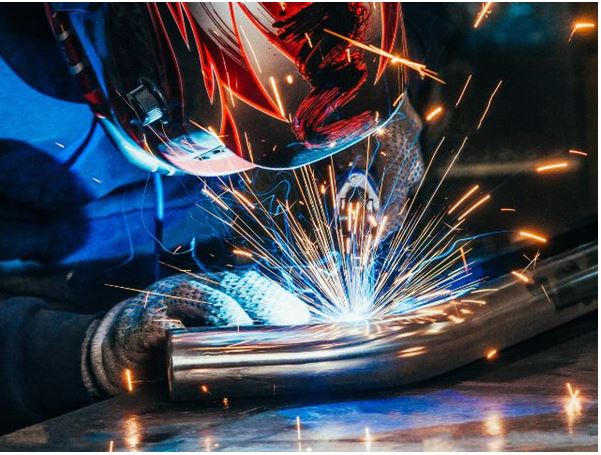
Turning raw materials into furniture, parts, and artwork is a rewarding experience for fabricators. But the only way to produce beautiful workpieces is with the right tools. If you’re wondering what the best tools for a fabrication shop are, read this list!
Band saws are some of the most versatile fabrication tools. The machine uses a continuous loop of metal with sharp teeth to penetrate different items. Since metal and wood are materials you can cut with a band saw, this tool is a shop must-have.
Band saws come in various shapes and sizes to complete specific cuts. For example, horizontal band saws cut thick pieces of metal, while vertical ones are ideal for contour cutting. Most shops have both machines on hand.
Metal nibblers cut sheet metal with minimal distortion. They have slim and ergonomic designs that let fabricators efficiently cut workpieces. They’re great for corrugated sheet metals, but they can slice materials of varying thicknesses as well.
Shop vises are among the best tools for fabrication shops because they hold workpieces stationary as fabricators work on the material. Professionals understand the importance of precision while slicing metals or completing specific cuts. The last thing anyone wants is a jagged edge or inaccurate cut while manipulating workpieces.
Professionals bolt shop vises to their work benches and clamp workpieces to them. A well-maintained vise has a long lifespan and becomes an integral part of fabrication.
A common workshop tool is an angle grinder. This handheld power tool grinds, sharpens, cuts, and polishes workpieces. It has a rapidly rotating disc that penetrates tough objects like screws, nuts, and bolts. Think of angle grinders as small but mighty tools for fabrication.
While making things from scratch, brute force is necessary for manipulating raw material. As a result, you should use a large hammer. The tool moves metal, breaks apart objects, and sets things in place. It’s essential to invest in a large hammer because they’re heavy and ideal for large workpieces.
Precision is critical for fabrication because the wrong measurements affect workpieces. Imagine a chair with uneven legs. It’s unstable and visually unappealing. To prevent inaccuracies, fabrication shops keep metal files on hand to reshape workpieces. The heavy-duty files shave down material to ensure the right results.
24World Media does not take any responsibility of the information you see on this page. The content this page contains is from independent third-party content provider. If you have any concerns regarding the content, please free to write us here: contact@24worldmedia.com

The Biden administration on Wednesday canceled...
Every family has its archetypes, so here’s...
On March 7, 2024,1 Dr. Naomi Wolf sounded an...
There are many benefits to buying and consuming...
On a December morning in central London, more...
In the 10 years since the drugmaker Gilead...

Bill Harris: Omega-3 – A Simple Way to Lower Your Risk of Disease

Chasing a hockey dream together: How Luke and Sophia Kunin make the first NHL-PWHL marriage work

Why Constipation Is on the Rise

‘To the Future’: Saudi Arabia Spends Big to Become an A.I. Superpower

Antidepressants: What to Know About Uses and Side Effects

Is Eating Eggshells Beneficial?

How hockey helped make J.J. McCarthy one of NFL Draft’s most intriguing prospects

Aspartame Classified as 'Possibly Carcinogenic'

Why You Want More Carbon Dioxide

Mark Clattenburg: The celebrity referee turned PGMOL agitator… via Gladiators

Everton Is Back on Market as Deal With 777 Partners Falters