

SWAMPSCOTT — The Health Department is seeking community members’ input in its effort to spend the town’s current $100,000 share of the Commonwealth’s opioid settlement funds.
Massachusetts reached settlement agreements with several pharmaceutical companies regarding their role in enabling the overdose epidemic in 2021. Until 2038, the Commonwealth will allocate 40% of these settlement funds to municipalities to fund a more robust opioid response, recovery, and prevention measures.
The Swampscott Health Department recently published a community-wide survey asking residents how they have been impacted by the opioid crisis and how they would like the town to spend its current and future opioid settlement funds.
According to the Health Department, Massachusetts expects to receive $1 billion as more settlements are concluded. State regulations limit municipalities’ spending of their settlement funds on projects such as opioid addiction treatment, care for those in treatment and recovery, connecting people to care, harm reduction, and opioid misuse prevention education.
Massachusetts cities and towns can also use their funds to support pregnant or parenting women and families impacted by the opioid crisis and address the needs of those who face legal troubles due to opioid addiction.
“The opioid overdose epidemic continues to affect individuals living with opioid use disorder and their loved ones, social service organizations, health providers, and our community as a whole. It is essential for community voices to guide the town’s response,” the Health Department wrote in its survey.
The survey is available online until Dec. 4. Paper copies are also available at Town Hall, Swampscott Public Library, and the Council on Aging Center.
After compiling the survey responses, the Health Department plans to hold a community idea exchange and form a working group to brainstorm the most effective ways to spend its funds.
“By completing this survey, you can provide critical insights into how Swampscott can best utilize our settlement money,” the Health Department wrote. “Our goal is to address disparities in existing opioid treatment/support services, improve the community’s response to the opioid overdose epidemic, and reduce the harms caused by stigma associated with opioid use disorder.”

24World Media does not take any responsibility of the information you see on this page. The content this page contains is from independent third-party content provider. If you have any concerns regarding the content, please free to write us here: contact@24worldmedia.com

The Biden administration on Wednesday canceled...
Every family has its archetypes, so here’s...
On March 7, 2024,1 Dr. Naomi Wolf sounded an...
There are many benefits to buying and consuming...
On a December morning in central London, more...
In the 10 years since the drugmaker Gilead...
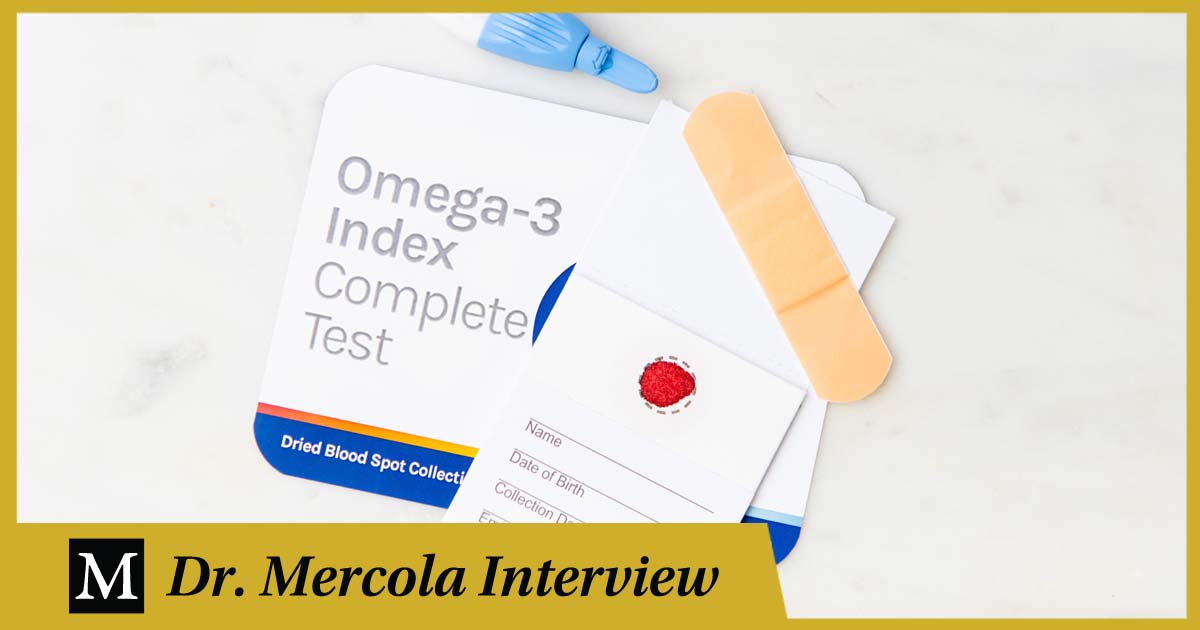
Bill Harris: Omega-3 – A Simple Way to Lower Your Risk of Disease

Chasing a hockey dream together: How Luke and Sophia Kunin make the first NHL-PWHL marriage work
Why Constipation Is on the Rise

‘To the Future’: Saudi Arabia Spends Big to Become an A.I. Superpower
Antidepressants: What to Know About Uses and Side Effects

Is Eating Eggshells Beneficial?

How hockey helped make J.J. McCarthy one of NFL Draft’s most intriguing prospects
Aspartame Classified as 'Possibly Carcinogenic'

Why You Want More Carbon Dioxide

Mark Clattenburg: The celebrity referee turned PGMOL agitator… via Gladiators

Everton Is Back on Market as Deal With 777 Partners Falters