

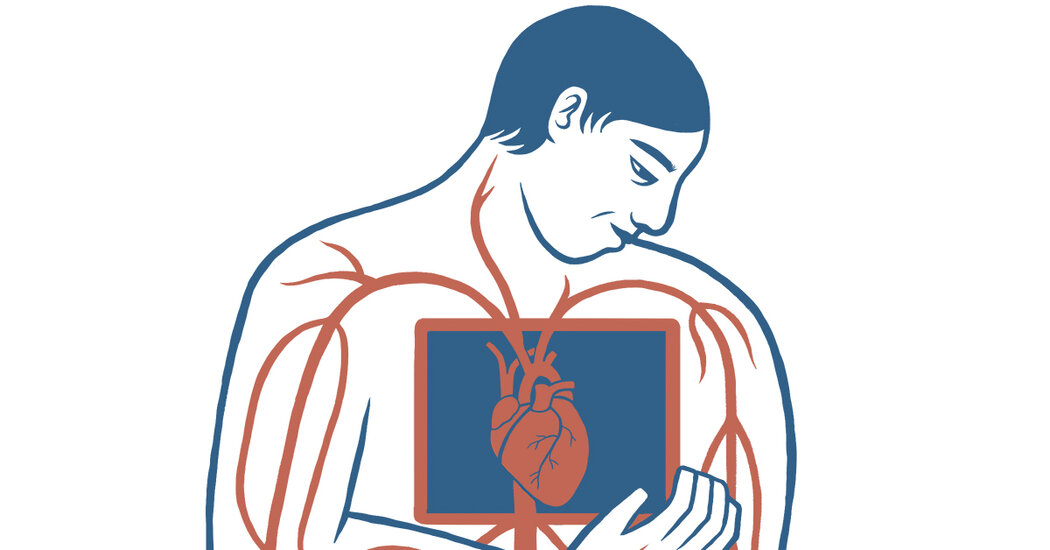
In an editorial on “The Potential and Pitfalls of Coronary Artery Calcium Scoring,” published in JAMA Cardiology in October, Dr. Khan and her co-author, Dr. Ann Marie Navar, a cardiologist at the University of Texas Southwestern Medical School, concluded that for middle-aged and older adults like my friend, the calcium test is one of the best and safest ways to identify the presence of otherwise hidden atherosclerosis.
Results of a calcium scan can also be important for younger men and women — and sometimes for their physicians, who may not take risk factors in younger patients as seriously as they should.
“Given the robust association between coronary artery calcium and cardiovascular disease,” Drs. Khan and Navar wrote, “the presence of coronary artery calcium in young adults should be a red flag for a high-risk patient.” As Dr. Khan explained in an interview, “The presence of any calcium in coronary arteries is a sign of having heart disease.”
When atherosclerosis first starts to develop, the arterial lesions, called plaque, are not calcified, explained Dr. Philip Greenland, also a preventive cardiologist at Northwestern. Rather, the lesions acquire the bony deposits over time that gradually increase when the plaque ruptures and is repaired. The healing process causes calcification, he said.
Dr. Greenland cautioned that patients and doctors should never assume that a calcium score of zero means there’s nothing to worry about. He said that in men under 40 and women under 50, “you can’t rely on coronary artery calcium alone, because the level is typically zero even in the presence of atherosclerosis.”
Rather, he and Dr. Kahn said, in younger adults, follow-up tests and medical advice should be based on the extent of patients’ cardiovascular risk, including whether they have any symptoms of heart disease, like shortness of breath when climbing stairs or chest pain when exerting themselves.
Dr. Greenland said that people with “a low-risk factor profile and a calcium score of zero have a kind of warranty that they won’t have a heart attack within 10 years.”
24World Media does not take any responsibility of the information you see on this page. The content this page contains is from independent third-party content provider. If you have any concerns regarding the content, please free to write us here: contact@24worldmedia.com

The Biden administration on Wednesday canceled...
Every family has its archetypes, so here’s...
On March 7, 2024,1 Dr. Naomi Wolf sounded an...
There are many benefits to buying and consuming...
On a December morning in central London, more...
In the 10 years since the drugmaker Gilead...
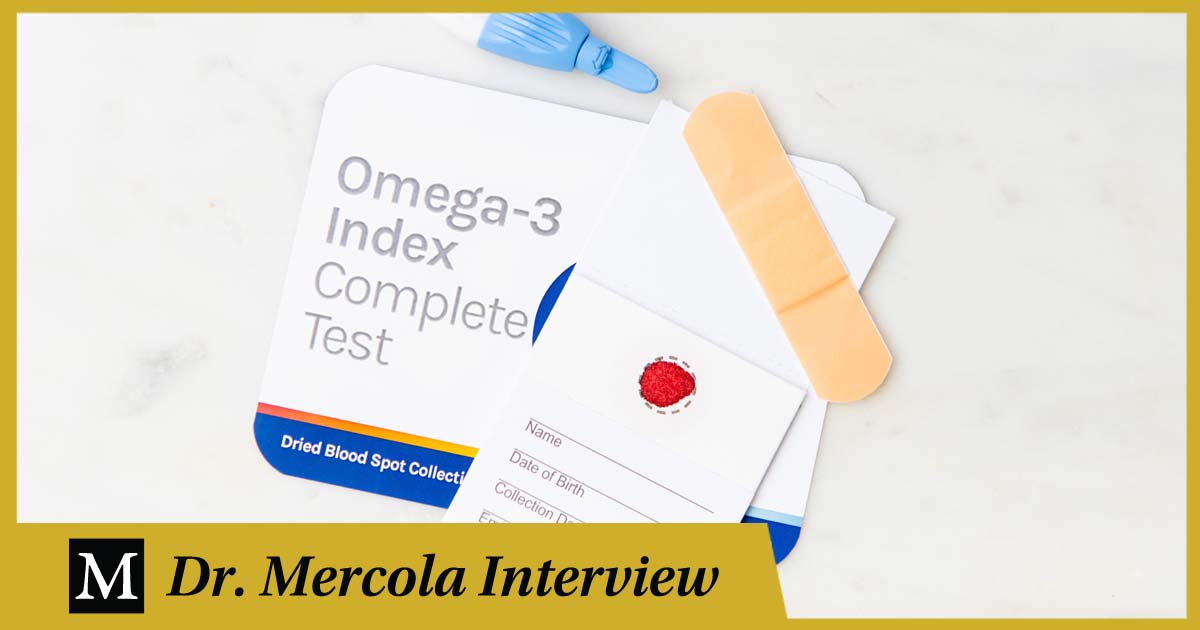
Bill Harris: Omega-3 – A Simple Way to Lower Your Risk of Disease

Chasing a hockey dream together: How Luke and Sophia Kunin make the first NHL-PWHL marriage work

Why Constipation Is on the Rise

‘To the Future’: Saudi Arabia Spends Big to Become an A.I. Superpower
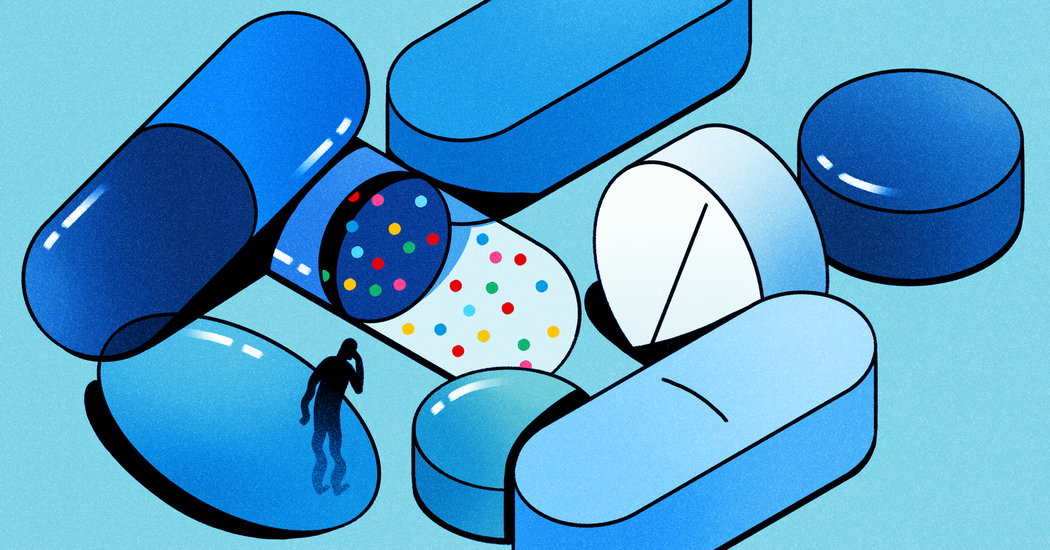
Antidepressants: What to Know About Uses and Side Effects

Is Eating Eggshells Beneficial?

How hockey helped make J.J. McCarthy one of NFL Draft’s most intriguing prospects
Aspartame Classified as 'Possibly Carcinogenic'

Why You Want More Carbon Dioxide

Mark Clattenburg: The celebrity referee turned PGMOL agitator… via Gladiators

Everton Is Back on Market as Deal With 777 Partners Falters