

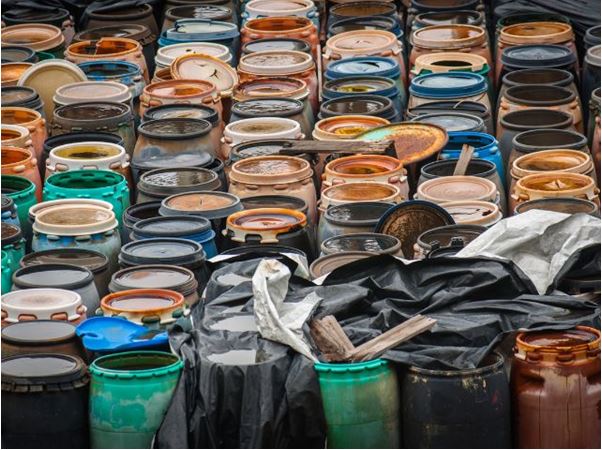
All commercial and industrial areas produce waste and create waste streams with that waste. Businesses create commercial waste, which is a broad category that covers everything from retail stores throwing out old textiles to gyms getting rid of old workout equipment. Industrial waste is any waste from industrial operations like mining. Depending on the type of business you run, you may participate in one or both waste streams. Keep reading to view a beginner’s guide to commercial and industrial waste so you can understand your waste stream and improve waste management.
We described commercial and industrial (C&I) waste, but we can work with more thorough definitions. Commercial waste refers to waste from any premise or location that people primarily use for business, trade, sport, recreation, education, or entertainment. The examples above fit within this category. Retail stores are places of business that dispose of various wastes, including textiles. Gyms are places for business and sport that dispose of various waste, from old equipment to paper cups.
Industrial waste may come from a business, but we can define industrial waste as waste from industrial operations or activities. Many businesses run industrial operations, which is why these two often overlap and why we pair them together. The government gives industrial waste a separate category because most of the waste, such as gaseous exhaust from running mining equipment, is useless or hazardous.
As mentioned previously, commercial and industrial waste can start at many kinds of businesses. Understanding the different waste streams takes time, but you will easily learn which waste stream is best for you and your business. Most waste streams for businesses start with professionally sorting the waste. This way, the waste can continue down the appropriate stream for proper disposal.
There are many disposal methods for different types of waste. Waste-to-energy is a popular and environmentally-friendly method when it’s safe to incinerate waste. Landfill disposal is another common choice, especially for hazardous waste. Different waste management companies perform various disposal methods depending on the laws of the area they serve and their facilities. It’s best for your business to partner with one of these professionals so you can stay within legal compliance and know your waste is safe.
Some companies and industries create hazardous waste. If your business is one of them, you can still participate in the C&I waste stream. You must exercise caution as you dispose of waste. Many companies that produce small amounts of hazardous waste use lab packs to store, ship, and dispose of their waste. Businesses producing large quantities of hazardous waste, especially those performing industrial operations, can hire a hazardous waste management company to sort, collect, and dispose of their waste. Hiring professionals saves you time and ensures you stay within legal compliance.
Commercial and industrial waste management is complicated, but this beginner’s guide provides a good place to start. Hire a waste management company for your commercial, industrial, and hazardous waste so you can focus on your business operations.
24World Media does not take any responsibility of the information you see on this page. The content this page contains is from independent third-party content provider. If you have any concerns regarding the content, please free to write us here: contact@24worldmedia.com

The Biden administration on Wednesday canceled...
Every family has its archetypes, so here’s...
On March 7, 2024,1 Dr. Naomi Wolf sounded an...
There are many benefits to buying and consuming...
On a December morning in central London, more...
In the 10 years since the drugmaker Gilead...
Bill Harris: Omega-3 – A Simple Way to Lower Your Risk of Disease

Chasing a hockey dream together: How Luke and Sophia Kunin make the first NHL-PWHL marriage work

Why Constipation Is on the Rise

‘To the Future’: Saudi Arabia Spends Big to Become an A.I. Superpower

Antidepressants: What to Know About Uses and Side Effects

Is Eating Eggshells Beneficial?

How hockey helped make J.J. McCarthy one of NFL Draft’s most intriguing prospects
Aspartame Classified as 'Possibly Carcinogenic'
Why You Want More Carbon Dioxide

Mark Clattenburg: The celebrity referee turned PGMOL agitator… via Gladiators

Everton Is Back on Market as Deal With 777 Partners Falters