

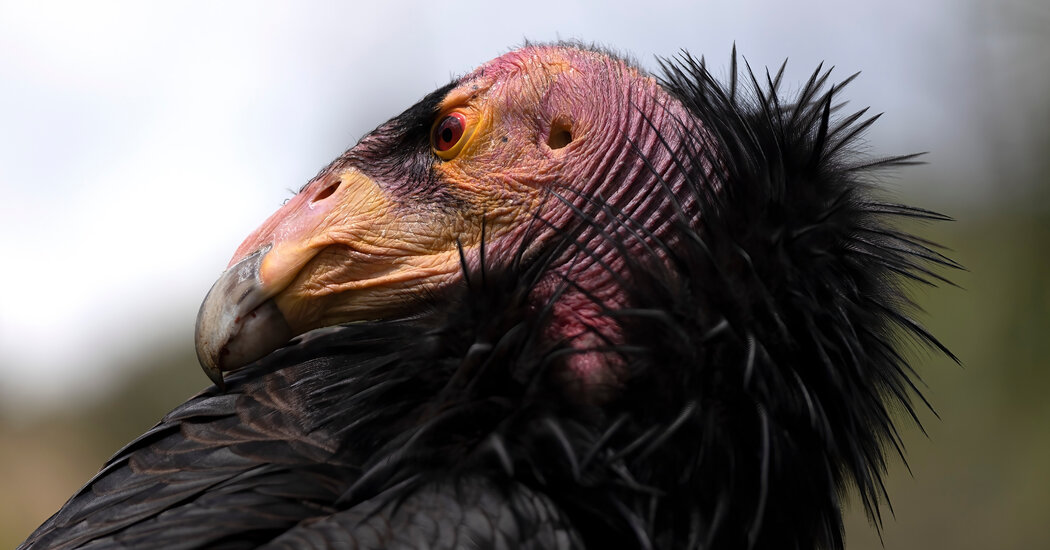
The virus was first detected in a California condor found dead in late March. Since then, 20 more condors have died and four additional condors are currently in rehabilitation facilities, according to the federal agency. The virus has been confirmed in 15 of those birds.
Condors appear to be “highly susceptible” to the virus, Dr. Sanchez said. “Once they get it,” he said, “they tend to have high mortality.”
California condor populations dropped precipitously during the 20th century; in the 1980s, fewer than 30 birds were left. In the decades since, captive breeding programs have helped the population recover. If the virus gets into more condor populations, it could erase this progress, Dr. Sanchez said: “We’re talking about a potential catastrophic collapse of the conservation project.”
The H5N1 virus was first detected in China in 1996. Since then, various versions of the virus have circulated in wild birds and caused repeated outbreaks in poultry. A new version of the virus arrived in North America in late 2021. Since then, it has spread rapidly throughout the United States, causing the largest bird flu outbreak in the nation’s history and resulting in the death of almost 60 million farmed birds.
It has also taken a far heavier toll on wild birds than previous outbreaks. It has been detected in more than 6,700 wild birds — a figure that is surely an underestimate — in every state but Hawaii and has resulted in mass die-offs of wild birds around the world.
It has also repeatedly spilled over into mammals and caused a small number of human infections, generally in people who were known to have been in close contact with birds. The virus is best adapted to birds, and the threat to the general public remains low, officials say. But scientists have long been concerned that the virus could evolve in ways that help it spread easily among people.
The vaccine has been authorized for emergency use only in California condors. The small size of the existing California condor population will allow the vaccination program to be monitored closely, the Animal and Plant Health Inspection Service said.
But the size and scope of the current outbreak have prompted officials to consider a mass poultry vaccination campaign. U.S.D.A. scientists have been testing numerous potential poultry vaccines and have said that some results could be available this spring.
The country could see more animal outbreaks in the coming weeks as infected wild birds migrate north for the summer.
24World Media does not take any responsibility of the information you see on this page. The content this page contains is from independent third-party content provider. If you have any concerns regarding the content, please free to write us here: contact@24worldmedia.com

The Biden administration on Wednesday canceled...
Every family has its archetypes, so here’s...
On March 7, 2024,1 Dr. Naomi Wolf sounded an...
There are many benefits to buying and consuming...
On a December morning in central London, more...
In the 10 years since the drugmaker Gilead...

Bill Harris: Omega-3 – A Simple Way to Lower Your Risk of Disease


Chasing a hockey dream together: How Luke and Sophia Kunin make the first NHL-PWHL marriage work

Why Constipation Is on the Rise

‘To the Future’: Saudi Arabia Spends Big to Become an A.I. Superpower

Antidepressants: What to Know About Uses and Side Effects

Is Eating Eggshells Beneficial?

How hockey helped make J.J. McCarthy one of NFL Draft’s most intriguing prospects

Aspartame Classified as 'Possibly Carcinogenic'

Why You Want More Carbon Dioxide

Mark Clattenburg: The celebrity referee turned PGMOL agitator… via Gladiators

Everton Is Back on Market as Deal With 777 Partners Falters