


So she started to provide a replacement for the street drugs, first Dilaudid, then fentanyl patches, and, now, the fentanyl capsules. Her project purchases the fentanyl from a pharmaceutical manufacturer, and a local pharmacy compounds it, with dextrose and caffeine as buffers. The pills are sold at $10 a hit, priced to match the street rate exactly.
Dr. Sutherland writes a prescription for the drug, and patients buy it; if they can’t pay, the program covers the cost.
When nurses enroll new participants in the program, they increase the dose over days to find exactly what the patients need to replace what they use on the street. Participants use the drugs under supervision at first, to make sure they have the amount they need to avoid withdrawal (and no more, so that there is no risk they will sell excess on the street). Then, they can take the drugs off-site to use.
Chris has been a daily user of illicit drugs since he was a teenager. He receives 30,000 micrograms of fentanyl at the dispensary each day. That is vastly more than would kill a nonuser — a doctor would typically prescribe about 50 micrograms temporarily to manage pain — but, after years of use, it is what Chris needs to feel a quick rush of euphoria and prevent withdrawal. He said he hoped to return to working soon and then would start buying from the program, the way he would patronize a liquor store.
Dr. Sutherland expects that patients such as Chris may gradually reduce the amount they use, because they’re not worried about how they will score the next hit to keep the agony of withdrawal — being “dope sick” — at bay.
Lisa James personifies the anticipated benefit of programs like this. Ms. James, who is 53, spent 18 years addicted to heroin. For the first eight, every day began the same grim cycle: She’d go out in the morning and steal from stores, then pass the merchandise to her boyfriend, who would resell it and use the money to buy heroin. He’d bring it home, where she was waiting anxiously, already nauseated and twitchy with dope sickness.
24World Media does not take any responsibility of the information you see on this page. The content this page contains is from independent third-party content provider. If you have any concerns regarding the content, please free to write us here: contact@24worldmedia.com

The Biden administration on Wednesday canceled...
Every family has its archetypes, so here’s...
On March 7, 2024,1 Dr. Naomi Wolf sounded an...
There are many benefits to buying and consuming...
On a December morning in central London, more...
In the 10 years since the drugmaker Gilead...

Bill Harris: Omega-3 – A Simple Way to Lower Your Risk of Disease
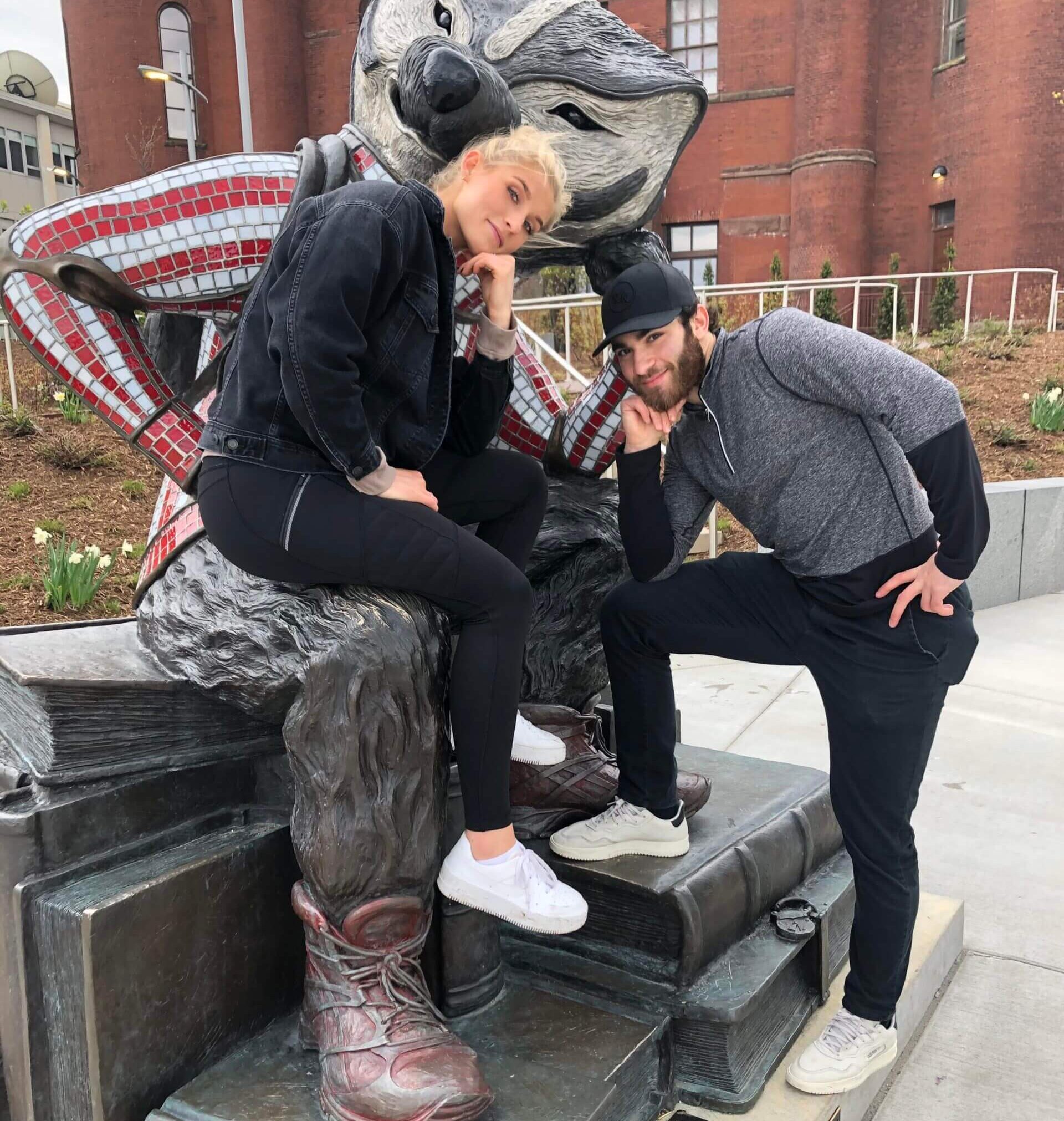
Chasing a hockey dream together: How Luke and Sophia Kunin make the first NHL-PWHL marriage work

Why Constipation Is on the Rise

‘To the Future’: Saudi Arabia Spends Big to Become an A.I. Superpower
Antidepressants: What to Know About Uses and Side Effects

Is Eating Eggshells Beneficial?

How hockey helped make J.J. McCarthy one of NFL Draft’s most intriguing prospects
Aspartame Classified as 'Possibly Carcinogenic'

Why You Want More Carbon Dioxide

Mark Clattenburg: The celebrity referee turned PGMOL agitator… via Gladiators

Everton Is Back on Market as Deal With 777 Partners Falters