

“Were you burned out,” I asked.
Her face was flat. “I still am,” she said. “Yeah. Yes, and I still am.”
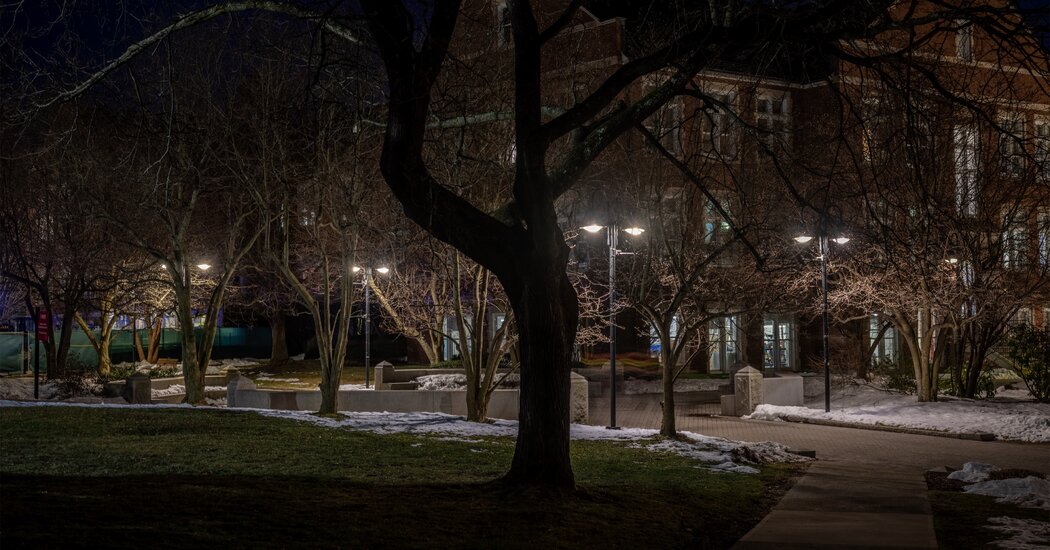
Worcester is famous for the snow dumps it receives in the winter. It has something to do with where the city is in relation to the Appalachian Mountains. The clouds bear down when the temperature drops, and then the snow is relentless and the weather is brutal. All winter, it’s brutal, brutal, brutal, and then somehow, slowly, it’s not anymore. That’s kind of how the end of W.P.I.’s crisis arrived. No one I spoke to could quite explain how they knew that the emergency had subsided; the most they could be sure of was that, one moment in the spring of 2022, they felt intuitively that the last death was behind them. Between the summer 2021 and winter 2022, the faculty existed in a state of suspension. “We were always waiting, waiting for the next — if there was going to be a next,” Foo said. “Like waiting for the other shoe to drop.” But then somewhere deep into the winter, she said, it just became apparent that it was over. There was no clear point of demarcation, just a subtle shift. “The campus culture felt so much lighter,” she said, “like we had been through this traumatic experience, but we could somehow see the point at the end of the tunnel. Something was somehow over.”
King said she knew “it” had ended when, sometime during the spring, people began looking at one another square in the face again. For months, it seemed as though no one could bear eye contact. “In that pain, you usually don’t want to — if I look you in the eye, I could feel your pain.” And then one day, something had changed. “People started looking me in the eye, and I knew they were smiling although I couldn’t see the smile,” she said, gesturing to indicate the masks everyone wore at the time. “And I knew we were turning the corner. People were looking at me in the eye like, just looking at me. And I was looking at them.”
It is clear by now that the mental-health crisis has changed academia forever: its structures, its culture and the function it is expected to perform in American society. More than half of American college students now report depression, anxiety or seriously considering suicide. This is a problem that reaches across geography, race, class, identity, institutional resources or prestige and academic ability. Almost one in four Americans in college considered dropping out in the last year because of their mental health. Adjusting pedagogy to account for this scale of illness and, in some cases, disability, is the new frontier of postsecondary education.
In early 2022, W.P.I. opened a large new Center for Well-Being, right next to the school’s main cafeteria, as if to declare that wellness is central to the school’s institutional mission. By the time I visited Worcester this fall, nearly all the short-term recommendations made by the task force, and several from Riverside’s independent review, had been implemented.
24World Media does not take any responsibility of the information you see on this page. The content this page contains is from independent third-party content provider. If you have any concerns regarding the content, please free to write us here: contact@24worldmedia.com

The Biden administration on Wednesday canceled...
Every family has its archetypes, so here’s...
On March 7, 2024,1 Dr. Naomi Wolf sounded an...
There are many benefits to buying and consuming...
On a December morning in central London, more...
In the 10 years since the drugmaker Gilead...
Bill Harris: Omega-3 – A Simple Way to Lower Your Risk of Disease
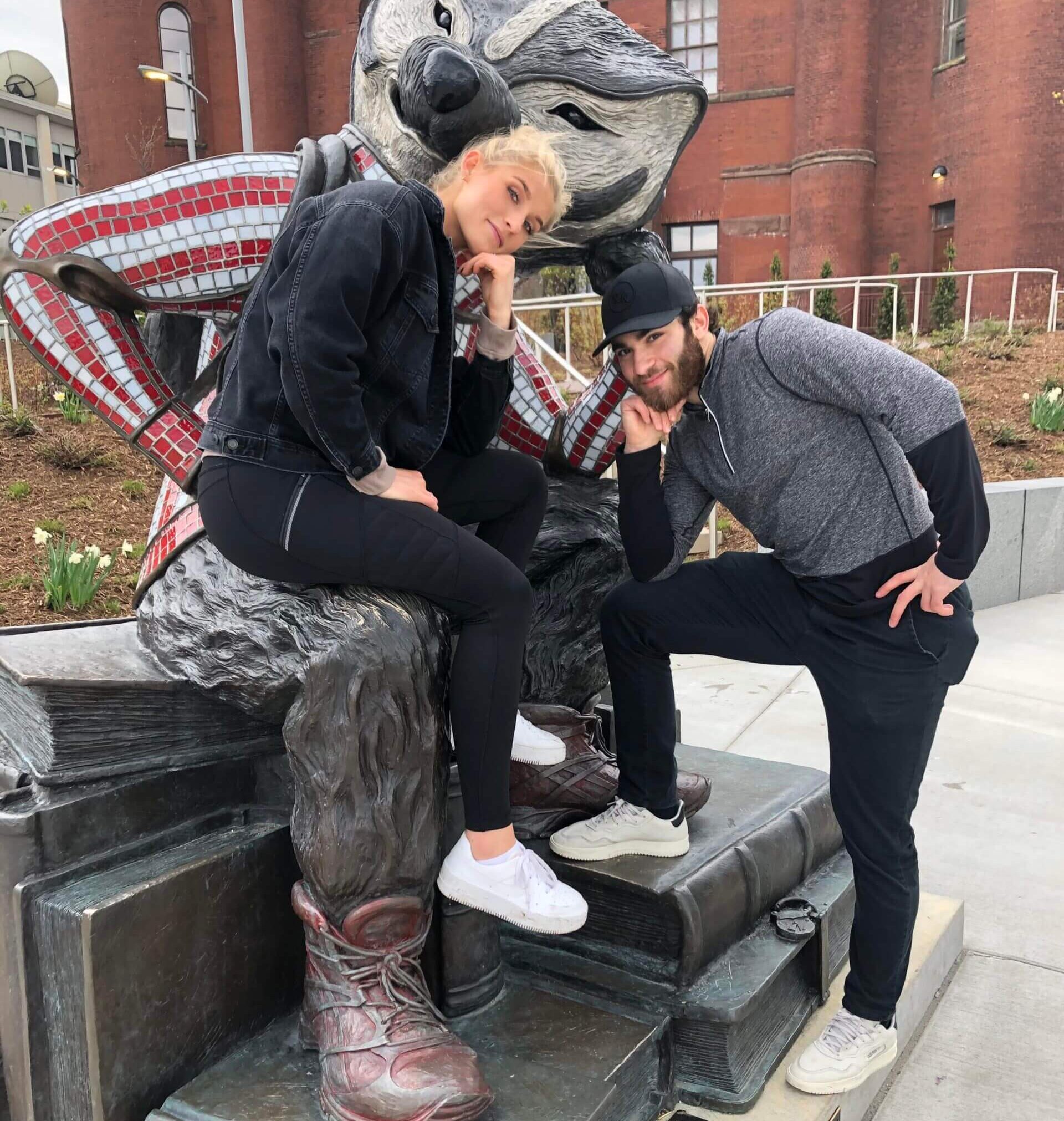
Chasing a hockey dream together: How Luke and Sophia Kunin make the first NHL-PWHL marriage work

Why Constipation Is on the Rise

‘To the Future’: Saudi Arabia Spends Big to Become an A.I. Superpower
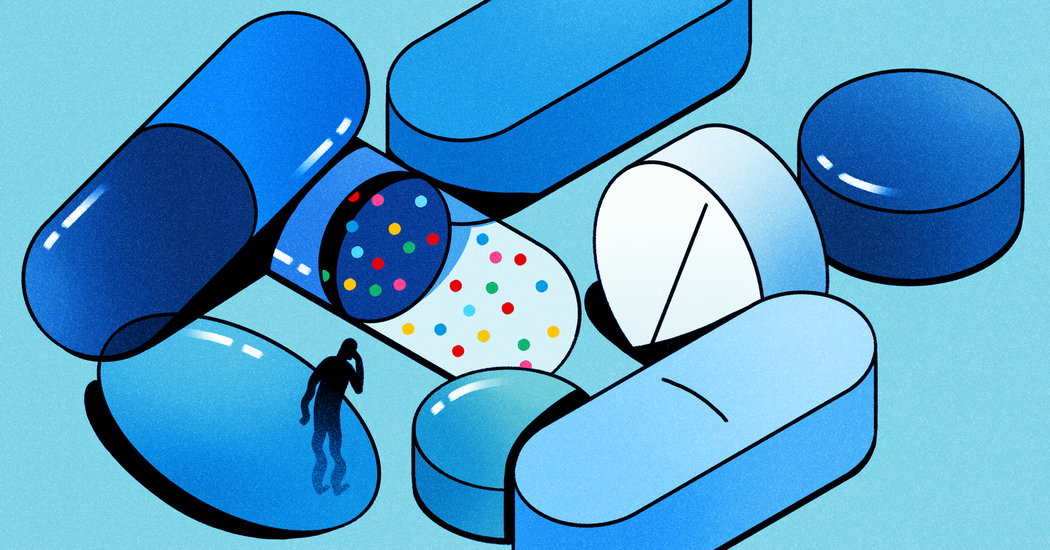
Antidepressants: What to Know About Uses and Side Effects

Is Eating Eggshells Beneficial?

How hockey helped make J.J. McCarthy one of NFL Draft’s most intriguing prospects
Aspartame Classified as 'Possibly Carcinogenic'
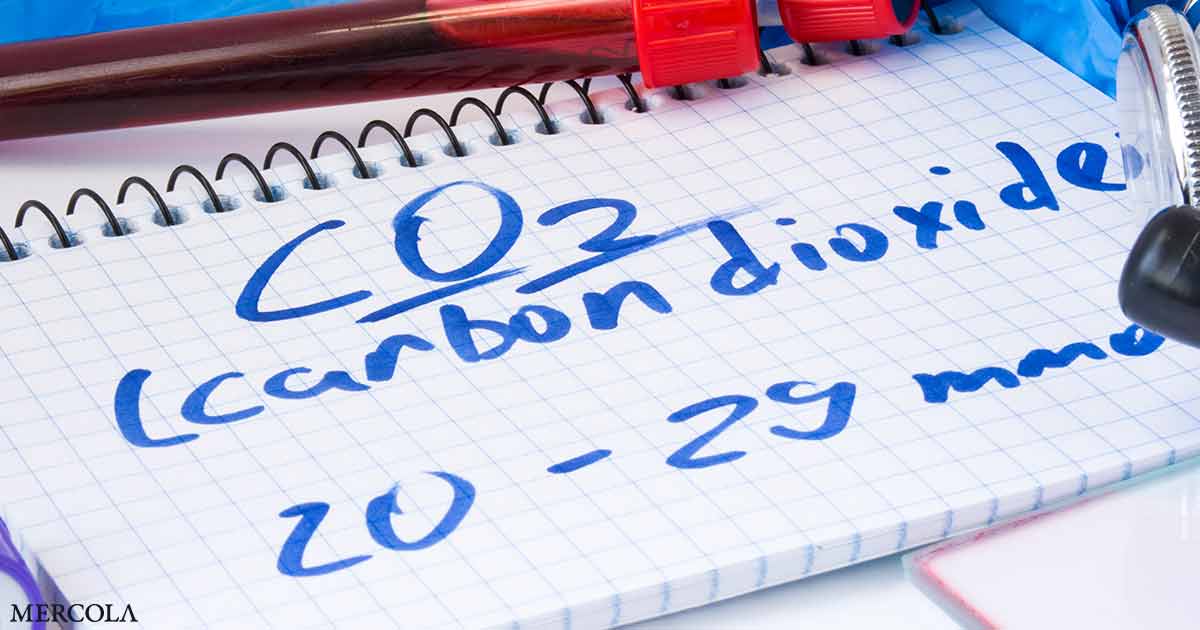
Why You Want More Carbon Dioxide
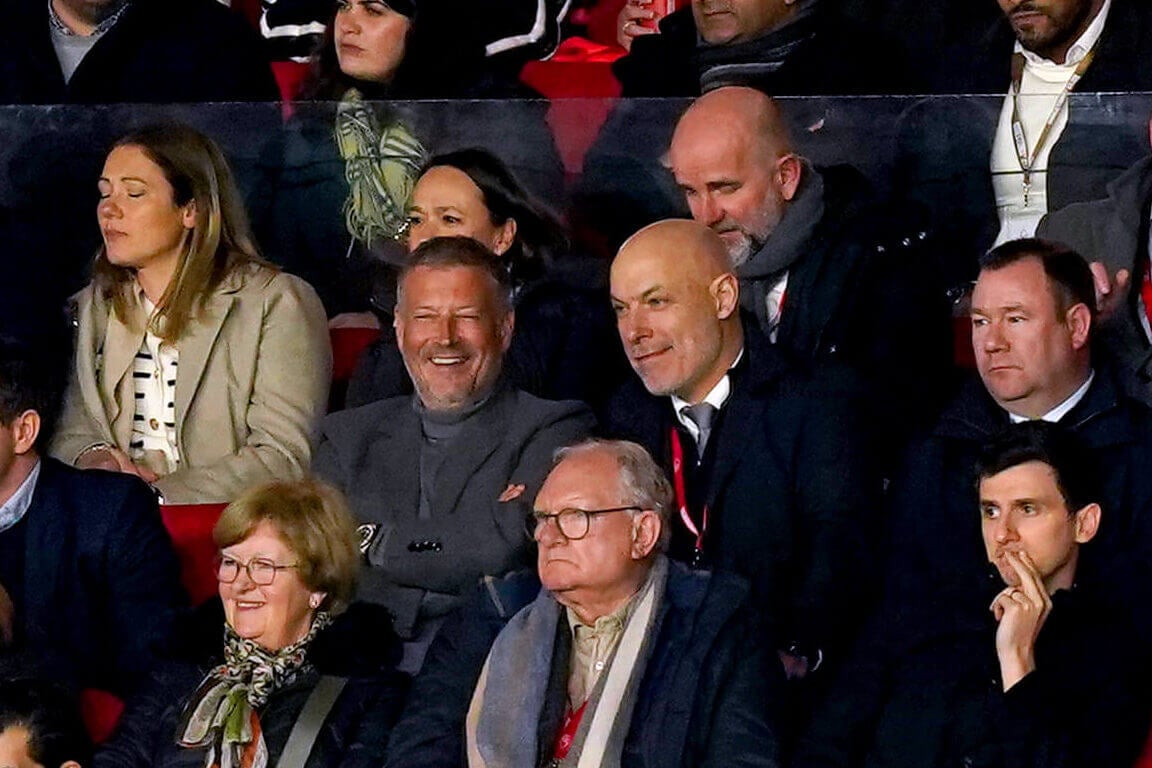
Mark Clattenburg: The celebrity referee turned PGMOL agitator… via Gladiators
Everton Is Back on Market as Deal With 777 Partners Falters