

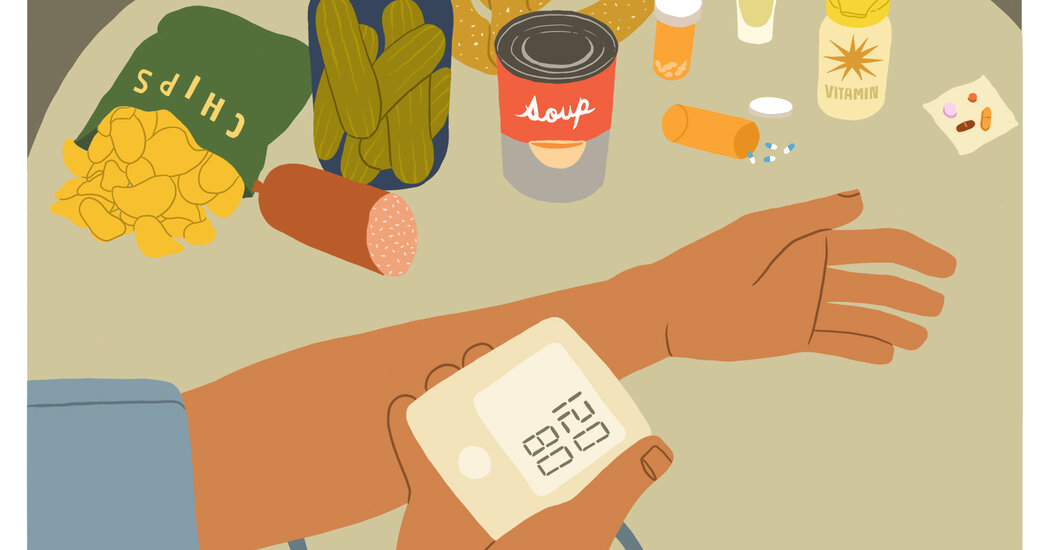
There’s a long list of prescribed medications, as well as over-the-counter drugs and recreational substances and supplements, that can interfere with effective treatment for hypertension. In addition to estrogen-containing drugs and NSAIDS, the list includes widely used medicines like antidepressants and oral steroids such as cortisone; substances like nicotine, alcohol and cocaine; herbal supplements like licorice or ginseng; and, of course, salt. Caffeine, too, can raise blood pressure over the short-term in some people.
When doctors fail to ask patients what else they may be taking, using or consuming that can affect blood pressure — or if patients neglect to mention all of the over-the-counter and herbal remedies and prescription drugs they take — patients may be prescribed an unnecessary or more potent blood pressure drug that may have bothersome side effects.
Dr. Anderson said that doctors were “taught to screen patients initially for other drugs being taken that can raise blood pressure, but patients are not necessarily rechecked for such drug use over time.” He said that it was important for doctors to take good medical histories, including what might have changed in patients’ lives since their blood pressures were last under control.
“Maybe there was a change in diet that caused a quick rise in blood pressure,” Dr. Anderson said. “For example, some patients are very salt-sensitive,” he said. “Along with age and weight, it’s the strongest predictor of high blood pressure over time.” Changing just one frequently consumed high-salt food, like pizza, cured meats or canned soup, may be enough to lower the risk of hypertension.
Complicating matters is that people’s reactions to various substances, like the commonly prescribed S.S.R.I. antidepressants, are “very idiosyncratic,” he explained. “A particular S.S.R.I. may have a high impact on blood pressure in some patients but not others.”
For patients with hypertension who need to take a drug that can raise blood pressure, Dr. Anderson advised using a home blood pressure monitor. A sudden rise in blood pressure after starting a new drug can help alert the prescribing doctor to the need to switch to an alternative remedy if one is available.
Even if you’ve had normal blood pressure for five or more decades, there’s a 90 percent chance that you’ll develop hypertension as you get older, which makes it all the more important to modify risks like dietary salt and excess weight while you’re still healthy. Even a modest weight loss of 10 pounds can both reduce the risk of developing hypertension and lower blood pressure in overweight people who already have this condition.
24World Media does not take any responsibility of the information you see on this page. The content this page contains is from independent third-party content provider. If you have any concerns regarding the content, please free to write us here: contact@24worldmedia.com

The Biden administration on Wednesday canceled...
Every family has its archetypes, so here’s...
On March 7, 2024,1 Dr. Naomi Wolf sounded an...
There are many benefits to buying and consuming...
On a December morning in central London, more...
In the 10 years since the drugmaker Gilead...
Bill Harris: Omega-3 – A Simple Way to Lower Your Risk of Disease

Chasing a hockey dream together: How Luke and Sophia Kunin make the first NHL-PWHL marriage work
Why Constipation Is on the Rise

‘To the Future’: Saudi Arabia Spends Big to Become an A.I. Superpower
Antidepressants: What to Know About Uses and Side Effects
Is Eating Eggshells Beneficial?

How hockey helped make J.J. McCarthy one of NFL Draft’s most intriguing prospects
Aspartame Classified as 'Possibly Carcinogenic'
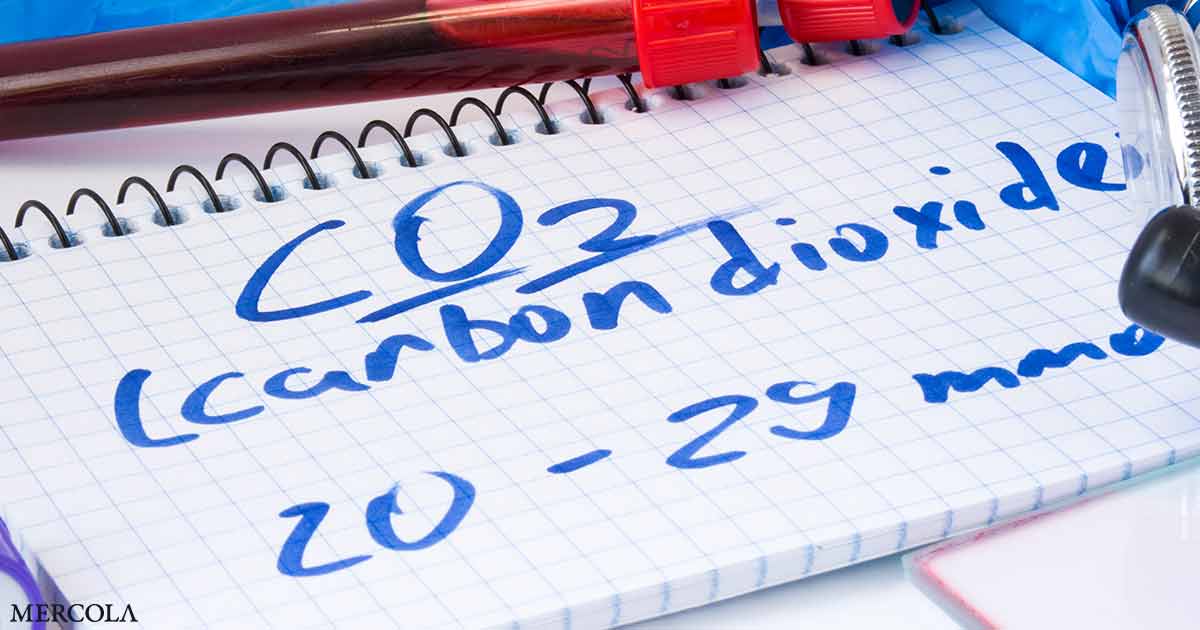
Why You Want More Carbon Dioxide

Mark Clattenburg: The celebrity referee turned PGMOL agitator… via Gladiators
Everton Is Back on Market as Deal With 777 Partners Falters