


CVS, which merged with the insurance provider Aetna three years ago, aims to reduce overall health costs with its mental health pilot program, Dr. Knecht said. Mental health issues that are not addressed become crises, he added, “so our aspiration is to make mental health services accessible and locally available so we can address these issues before they continue to expand and result in substantial morbidity and poor outcomes.”
Removing obstacles to mental health care by making providers more accessible is helpful, said Vaile Wright, senior director of health care innovation at the American Psychological Association, “but they are never the No. 1 barrier to accessing treatment,” she said. “Cost is.”
Psychiatrists are less likely to take insurance than other types of physicians, and many psychologists, social workers and others who offer therapy likewise decline insurance because they say payments by insurers are relatively low and managed care companies sometimes subject them to intrusive audits.
The mental health services provided by the CVS MinuteClinics are covered by many major health insurers and Employee Assistance Program plans, a spokeswoman said.
“Pricing options without insurance range between $129 for an initial assessment to $69 for a 30-minute session, with many options in between,” she added.
At Walmart, the initial therapy session is $60 and the 45-minute follow-up sessions cost $45, according to the company’s website.
If you’re considering using a retail location to receive therapy, be sure to ask the same questions you would of any new therapist, experts advise. Some examples include:
Where were you trained?
What kind of license do you have?
What is your specialty?
How will we monitor my progress?
How long will my session last, and how many sessions are available to me?
Is there follow-through if I need a referral?
How much will this cost?
How will my data be stored and shared?
In addition, if you identify as L.G.B.T. or are a member of another minority group — or if you already know that you suffer from a particular condition like anxiety or depression — it’s helpful to know whether the therapist has worked with similar populations in the past and whether they have had cultural competence training, said Alfiee Breland-Noble, a health disparities researcher and founder of the AAKOMA Project, a mental health nonprofit for teenagers and their families.
24World Media does not take any responsibility of the information you see on this page. The content this page contains is from independent third-party content provider. If you have any concerns regarding the content, please free to write us here: contact@24worldmedia.com

The Biden administration on Wednesday canceled...
Every family has its archetypes, so here’s...
On March 7, 2024,1 Dr. Naomi Wolf sounded an...
There are many benefits to buying and consuming...
On a December morning in central London, more...
In the 10 years since the drugmaker Gilead...
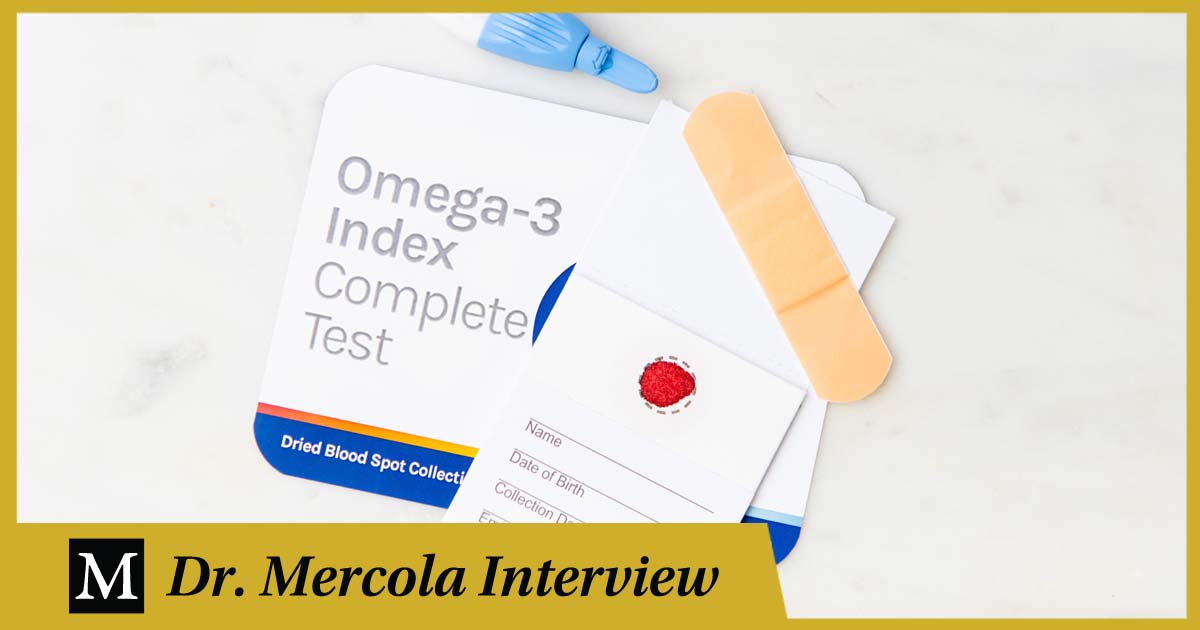
Bill Harris: Omega-3 – A Simple Way to Lower Your Risk of Disease


Chasing a hockey dream together: How Luke and Sophia Kunin make the first NHL-PWHL marriage work

Why Constipation Is on the Rise

‘To the Future’: Saudi Arabia Spends Big to Become an A.I. Superpower

Antidepressants: What to Know About Uses and Side Effects

Is Eating Eggshells Beneficial?

How hockey helped make J.J. McCarthy one of NFL Draft’s most intriguing prospects

Aspartame Classified as 'Possibly Carcinogenic'

Why You Want More Carbon Dioxide

Mark Clattenburg: The celebrity referee turned PGMOL agitator… via Gladiators

Everton Is Back on Market as Deal With 777 Partners Falters